Sleeping Bags

The Complete Guide to Sleeping Bags & Their Care

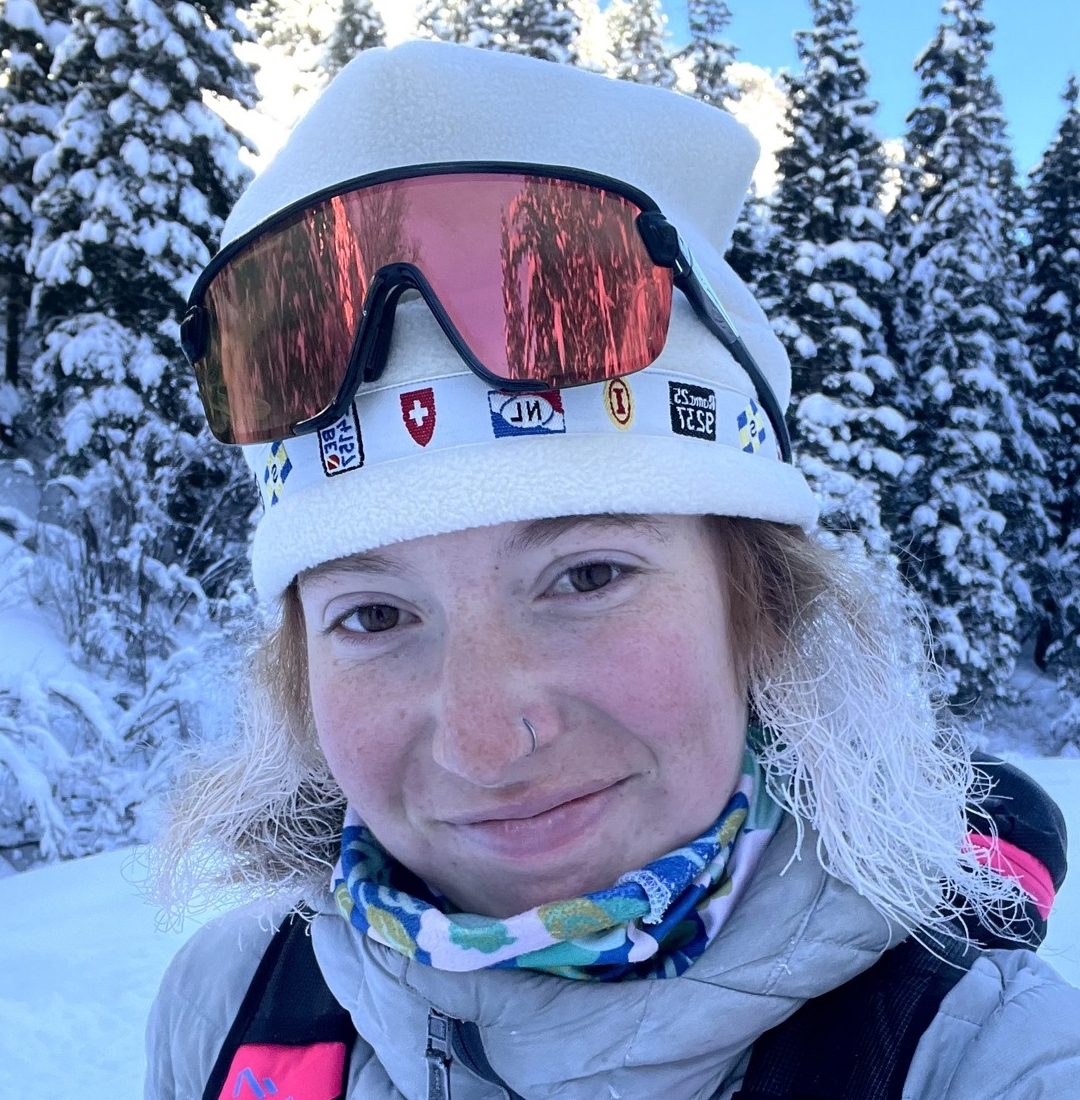
Miranda G., Camp Category Specialist
Miranda G.
Camp Category Specialist · Updated May 2026 · 8-minute read

What temperature ratings actually mean, down vs. synthetic, fill power, and the maintenance habits that keep a quality bag performing for years.

What Do Sleeping Bag Temperature Ratings Actually Mean?

When you see a bag labeled "20°" or "30°", that's the bag's marketing number — usually close to its limit rating, not its comfort rating. Under the ISO 23537 standard, every quality bag carries three temperatures on its tag (comfort, limit, and extreme), and the comfort rating — typically 5–10°F warmer than the marketing number — is the one to buy by.

Comfort
The temperature at which a colder sleeper will stay warm through the night. The rating to buy by. A bag marketed as "20°" usually has a comfort rating around 25–30°F.
Limit
A colder temperature than comfort, where a warmer sleeper can endure the chill if curled up. The marketing number on most bags lines up with this rating — a "20°" bag's limit is usually around 14–20°F.
Extreme
The lowest temperature at which you will survive a night in the bag. Not sleep comfortably. Survive. Never plan around this rating.

Match the comfort rating to the actual lowest temperature you expect to sleep in — not the limit, and definitely not the extreme. For reference, the Big Agnes Women's Anthracite 20° carries a 25°F comfort rating with a 14°F limit, while the Nemo Disco Women's 30° sits at 31°F comfort with a 21°F limit.

Down vs. Synthetic

The biggest decision you'll make. Synthetic wins for wet conditions, car camping, and tight budgets. Down wins for backpacking, dry climates, and serious cold.

Synthetic

  • Keeps insulating when damp
  • Lower entry price
  • Easier to maintain and wash
  • Heavier and bulkier for same warmth
  • Insulation breaks down faster over time

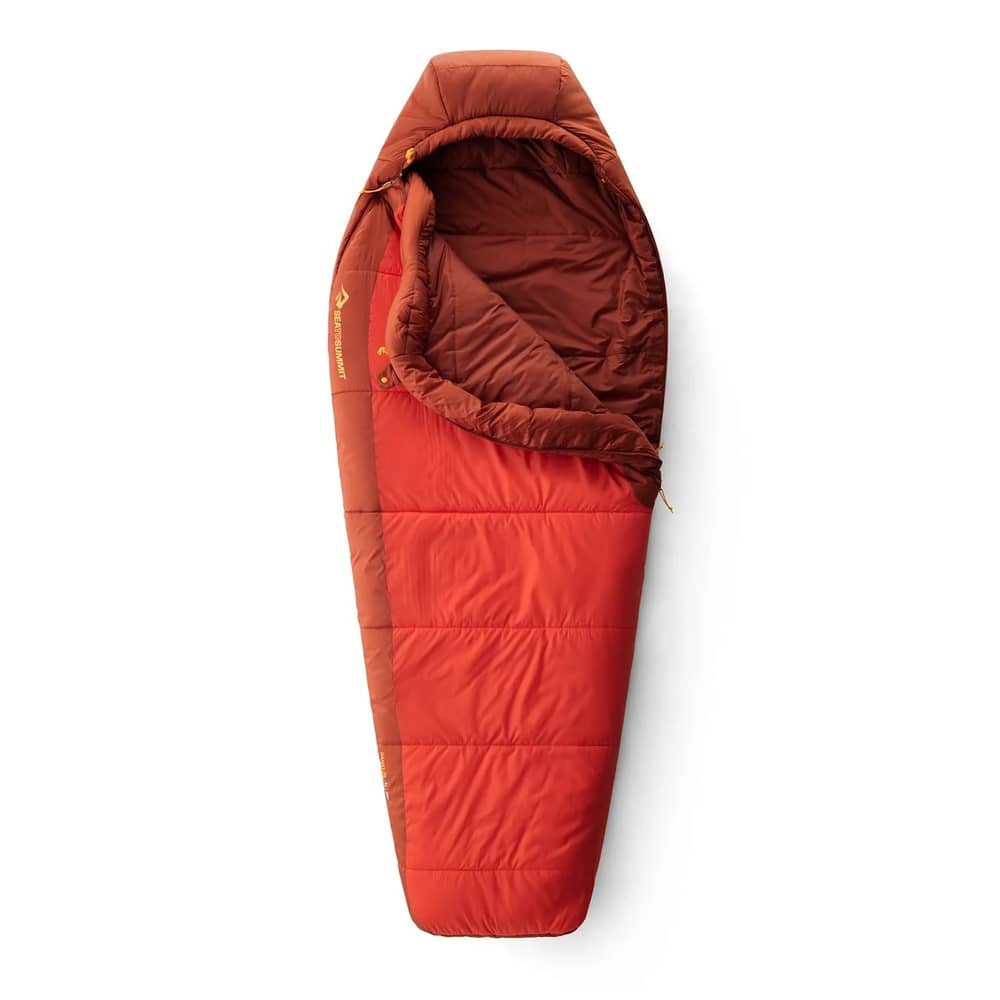
Best for: Car camping, base camping, overlanding, wet climates (Pacific Northwest). The Sea to Summit Hamelin Women's 30°F, Big Agnes Greystone 30°, and Big Agnes Anthracite 20° are good representatives of this category.

Down

  • Excellent warmth-to-weight ratio
  • Packs much smaller for same warmth
  • Lasts for many seasons with proper care
  • Loft collapses when wet
  • Higher price; more careful washing required

Best for: Backpacking, bikepacking, dry climates (desert, alpine), winter camping. The Mountain Hardwear Bishop Pass 30°F and Nemo Disco Women's 30° are both 650-fill down options in this lane.

Fill Power: What the Number Tells You

Higher fill power means loftier down. More loft means more trapped air, which means more warmth and better compressibility for the same weight of insulation.

550–600
Entry Level
Decent warmth, but heavier and bulkier than higher-fill options.
650–750
Workhorse Range
Best balance of warmth, packability, and price for three-season backpacking. Both the Nemo Disco and Mountain Hardwear Bishop Pass use 650-fill.
800–850
Premium
Significantly lighter and more compressible at the same warmth rating.
850+
Ultra-Premium
For winter camping, alpine climbing, or anywhere weight and pack size are critical.

Synthetic bags don't have fill power ratings — their warmth comes from the fiber construction itself. Fill power is a down-only spec. And keeping down dry is essential to preserving it: when down gets wet, the plumes clump, lose loft, and stop trapping air.

As Seen in the Video

Five Bags Worth Considering

A spread that covers the bases — synthetic for wet climates and tighter budgets, down for backpacking and dry-climate weight savings, and women's-specific fits across the lineup.

Tap any card for current pricing, stock, and full specs.

Still Choosing?

Match Your Trip to a Bag

Find your scenario and we'll point you to the pick that fits.

Wet climates
Pacific Northwest, coastal rain, damp shoulder seasons. Go synthetic — it keeps insulating when damp. Best picks: Sea to Summit Hamelin 30°F, Big Agnes Greystone 30°.
Dry climates & weight-critical
Desert, alpine, backpacking, bikepacking. Go down — best warmth-to-weight, packs smaller. Best picks: Mountain Hardwear Bishop Pass 30°F, Nemo Disco 30°.
Colder shoulder-season
Late fall, early spring, nights around 25°F. Look for a sub-30°F comfort rating. Best pick: Big Agnes Women's Anthracite 20° (25°F comfort, synthetic).
Side sleepers / extra room
Mummy bags feel restrictive? Look for contoured or Spoon-shaped designs with elbow and knee room. Best picks: Sea to Summit Hamelin (contour), Nemo Disco (Spoon shape).

How to Care for Your Sleeping Bag

1
Store It Uncompressed

The most common mistake: leaving the bag stuffed in its compression sack between trips. Compression sacks are great for the trail, but extended compression destroys loft. Most quality bags ship with a separate mesh storage sack — that's what you should use at home.

2
Wash Only When Necessary

Overwashing damages insulation faster than dirt does. Follow the manufacturer's tag — instructions vary by fill type and shell fabric. Down bags generally need a down-specific detergent and a large front-loading washing machine.

3
Use a Liner

A liner catches body oils and dirt before they reach your insulation, adds warmth on cold nights, and extends the time between bag washes by months. The single highest-leverage accessory you can add.

4
Patch Holes Immediately

Carry dedicated gear patches in your repair kit and seal any shell holes as soon as you spot them — especially on down bags, where escaping down means lost warmth and water entry points. Duct tape works in a pinch.

Liners and Accessories

Three liner variants, each solving a different problem.

Thermal

Add 5–25°F of warmth, turning a three-season bag into a colder-weather option.

Shop Reactor Extreme ›
Thermoregulating

Wick moisture and stay comfortable across a wider temperature range.

Shop Liners ›
Insect Shield

Treated with permethrin to keep bugs at bay — useful for buggy summer trips.

Shop Breeze ›

Frequently Asked Questions

What temperature sleeping bag do I need?
Buy by the bag's comfort rating, not its marketing number — the comfort rating is usually 5–10°F warmer than the "20°" or "30°" on the label. A practical rule of thumb: pick a comfort rating roughly 10°F below the coldest temperature you expect to sleep in. Summer trips with 50°F nights point to a bag with ~40°F comfort. Shoulder-season nights around 30°F point to a bag with ~25°F comfort (the Big Agnes Women's Anthracite 20° fits here — its "20°" is the limit, its comfort is 25°F). Winter or alpine camping needs 0°F comfort or colder. When in doubt, err warmer — you can vent a too-warm bag, but you can't add warmth you don't have.
What do the comfort, limit, and extreme ratings mean?
Comfort is the temperature at which a colder sleeper will stay warm through the night — this is the rating to buy by. Limit is a colder temperature than comfort, where a warmer sleeper can tolerate the chill if curled up. The marketing number on most bags (the "20°" or "30°" in the name) usually corresponds to the limit rating, which is why the comfort rating is typically 5–10°F warmer than the bag's label suggests. Extreme is colder still — the lowest temperature at which you'll survive in the bag, not sleep comfortably. Never plan a trip around the extreme rating.
Should I buy a down or synthetic sleeping bag?
Choose synthetic if you camp in wet climates, are on a tighter budget, primarily car camp or base camp, and don't need ultralight packability — the Sea to Summit Hamelin 30°F and Big Agnes Greystone 30° are good examples of this lane. Choose down if you backpack, bikepack, camp in cold or dry climates, sleep outside frequently, and want the best warmth-to-weight ratio — the Mountain Hardwear Bishop Pass 30°F and Nemo Disco 30° fit here.
What is fill power and what number should I look for?
Fill power measures the volume of down per cubic inch — higher numbers mean loftier, warmer, more compressible down. 600–650 fill is solid for most three-season backpacking. 850+ is premium territory, ideal for winter camping or weight-critical trips. Both the Nemo Disco and Mountain Hardwear Bishop Pass use 650-fill (and the Disco's down is hydrophobic-treated).
How should I store my sleeping bag between trips?
Always store your bag uncompressed. Most quality bags ship with a mesh storage sack designed to let the insulation breathe — use that. Never leave the bag stuffed in its compression sack between trips. Long-term compression destroys loft, which destroys warmth.
How do I keep my sleeping bag clean without washing it constantly?
Use a sleeping bag liner. It catches body oils, dirt, and sweat — the main things that degrade insulation over time. Liners also add warmth, regulate temperature, or repel insects depending on the model. Wash the bag itself only when necessary.
What do I do if my down sleeping bag gets wet?
Wet down clumps, loses loft, and takes hours to dry. Hang it to air-dry and avoid sleeping in it until it has lofted again. This is why down is a poor choice for wet climates — synthetic insulation keeps insulating when damp. Some down bags use hydrophobic down that resists moisture (the Nemo Disco line is one example), but no down handles water as well as synthetic.
Can I repair a hole in my sleeping bag on the trail?
Yes. Carry dedicated gear patches in your repair kit and seal any holes immediately — especially on down bags, where escaping down equals lost warmth. Duct tape works as a field expedient.

Sleeping Bag Terms Explained

A quick reference for the specs and terms you'll see on tags, product pages, and brand marketing.

Comfort Rating
The temperature at which a colder sleeper will stay warm through the night. Buy by this number, not the limit or extreme.
Limit Rating
A colder temperature than comfort, where a warmer sleeper can endure the chill if curled up. The marketing number on most bags (the "20°" or "30°" in the name) usually equals the limit rating, not the comfort.
Extreme Rating
The lowest temperature at which you'll survive a night in the bag — not sleep comfortably, survive. Never plan a trip around this number.
Fill Power
A down-only spec measuring loft per cubic inch. Higher numbers (650–850+) mean loftier, warmer, more compressible down at the same weight.
Loft
The puffiness of insulation. Loft creates the trapped-air pockets that hold heat. Wet down loses loft, which is why dry storage matters.
Hydrophobic Down
Down treated with a water-repellent coating so it resists loft collapse when damp. Common on premium down bags (e.g., the Nemo Disco).
RDS
Responsible Down Standard — third-party certification that the down was sourced from suppliers meeting animal-welfare requirements. The Mountain Hardwear Bishop Pass uses RDS-certified down.
Mummy Shape
A tapered cut that hugs the body to minimize wasted air space. Warmer and lighter than rectangular bags but tighter at the hips and feet.
Spoon Shape
Nemo's signature cut with extra elbow and knee room inside a mummy-like silhouette. Designed for side sleepers.
DWR
Durable Water Repellent — a coating applied to the bag's shell fabric that beads water rather than absorbing it. Helps in damp tents and dewy mornings.
Compression Sack vs. Storage Sack
Compression sacks (smaller, cinching) are for the trail. Storage sacks (mesh, larger) are for at-home storage. Long-term compression destroys loft.
ISO 23537
The international standard governing how sleeping bag temperature ratings are tested and reported. Replaced EN 13537 in 2016.


Shop Sleeping Bags & Gear at Jenson USA

Ready to gear up? Browse the full selection across brands and temperature ratings.

Brand-specific selections: Big Agnes  ·  Nemo Equipment  ·  Sea to Summit  ·  Mountain Hardwear
Need help dialing in your sleeping setup? Chat with a Jenson Gear Advisor for real-world advice.
About the author: Miranda G. is a Camp Category Specialist at Jenson USA, where she helps customers dial in their sleeping setup for everything from backyard campouts to multi-day backcountry trips. She's the on-camera guide in the video at the top of this page, and her recommendations here are based on years of sleeping outside in conditions ranging from the desert in Zion to the alpine in the Pacific Northwest.

Follow Jensonusa